
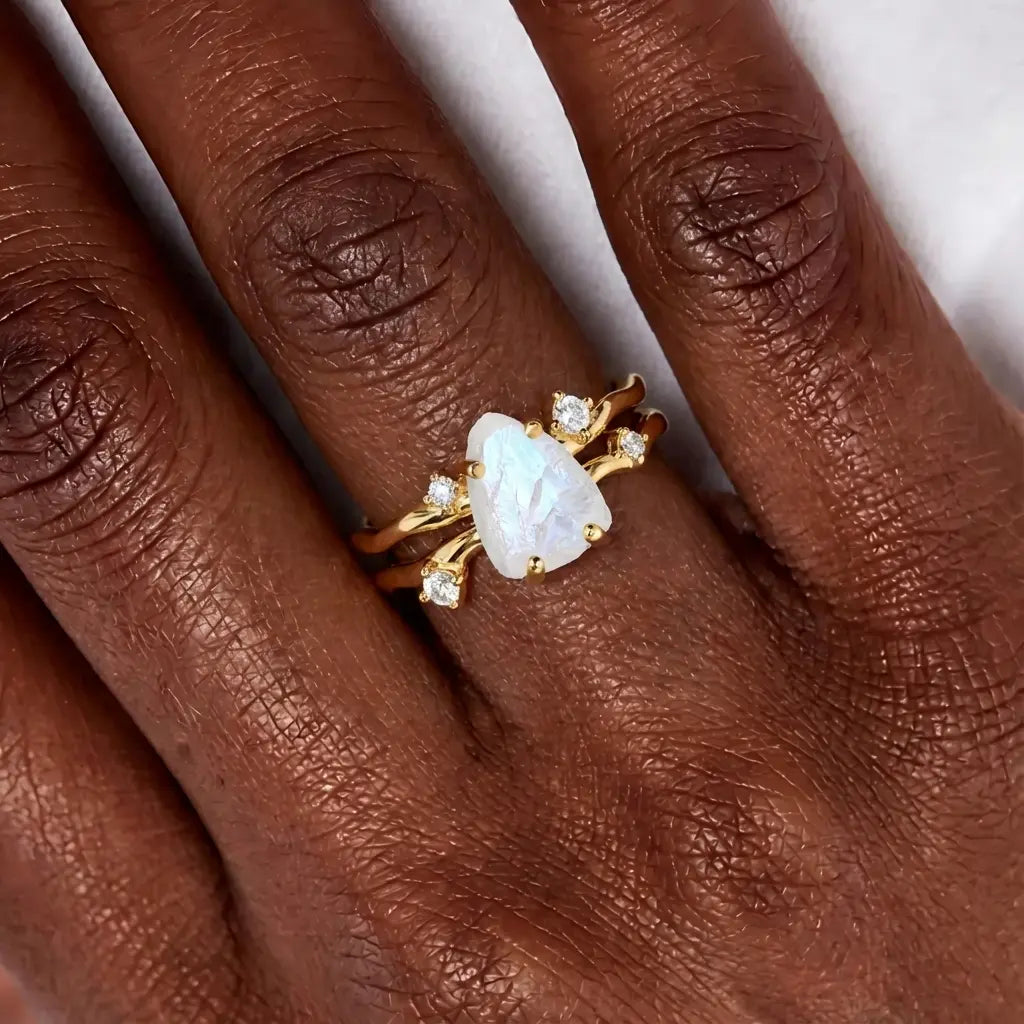
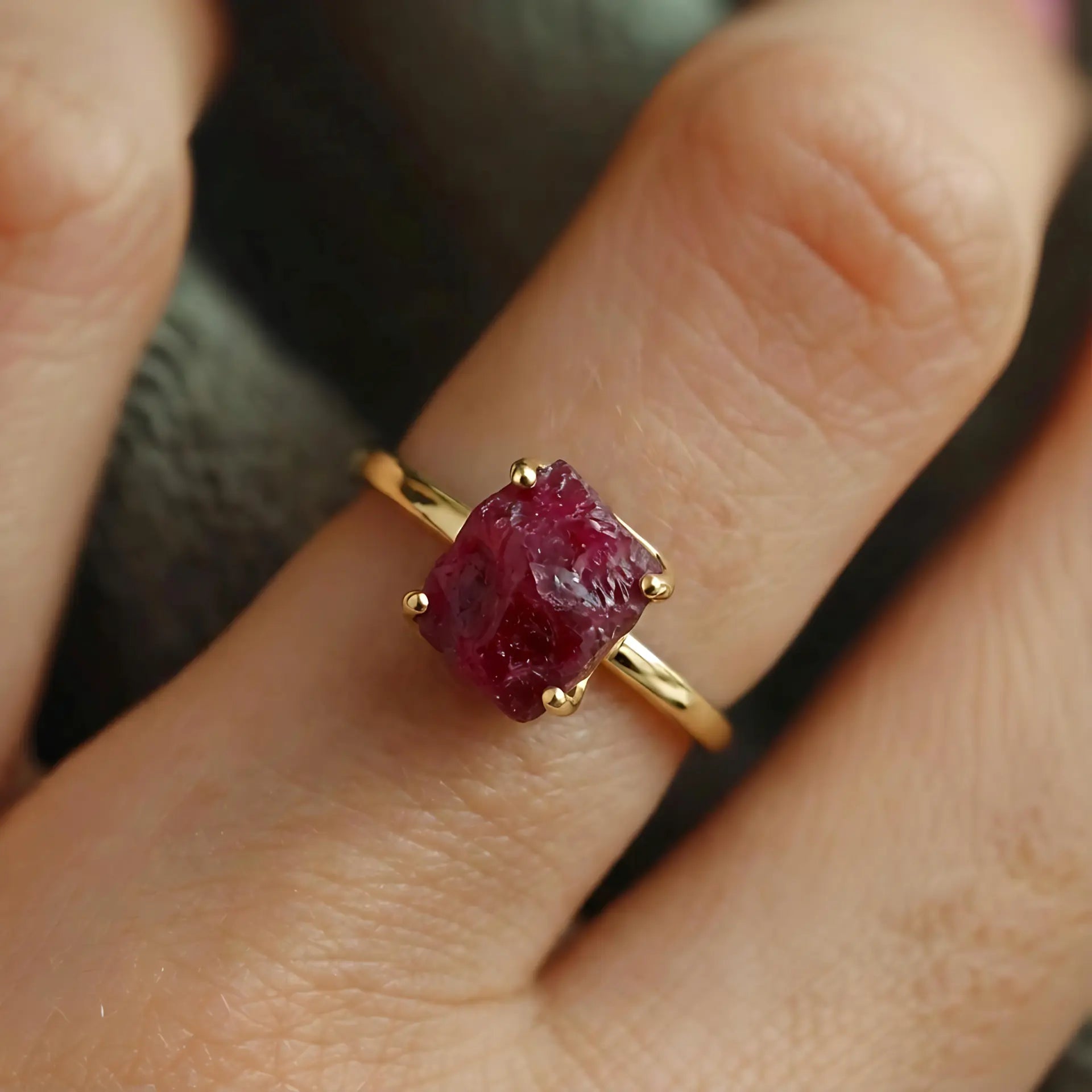


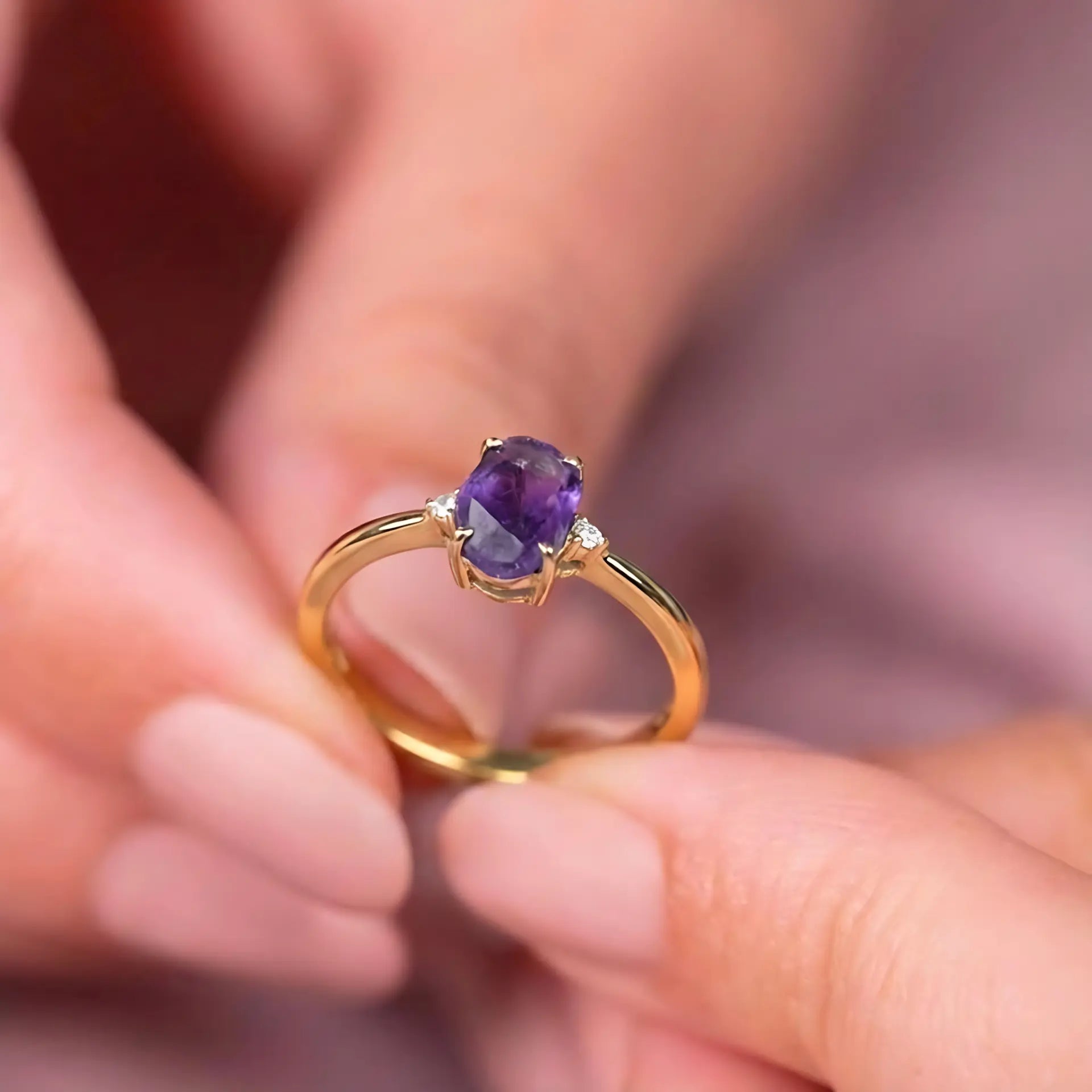
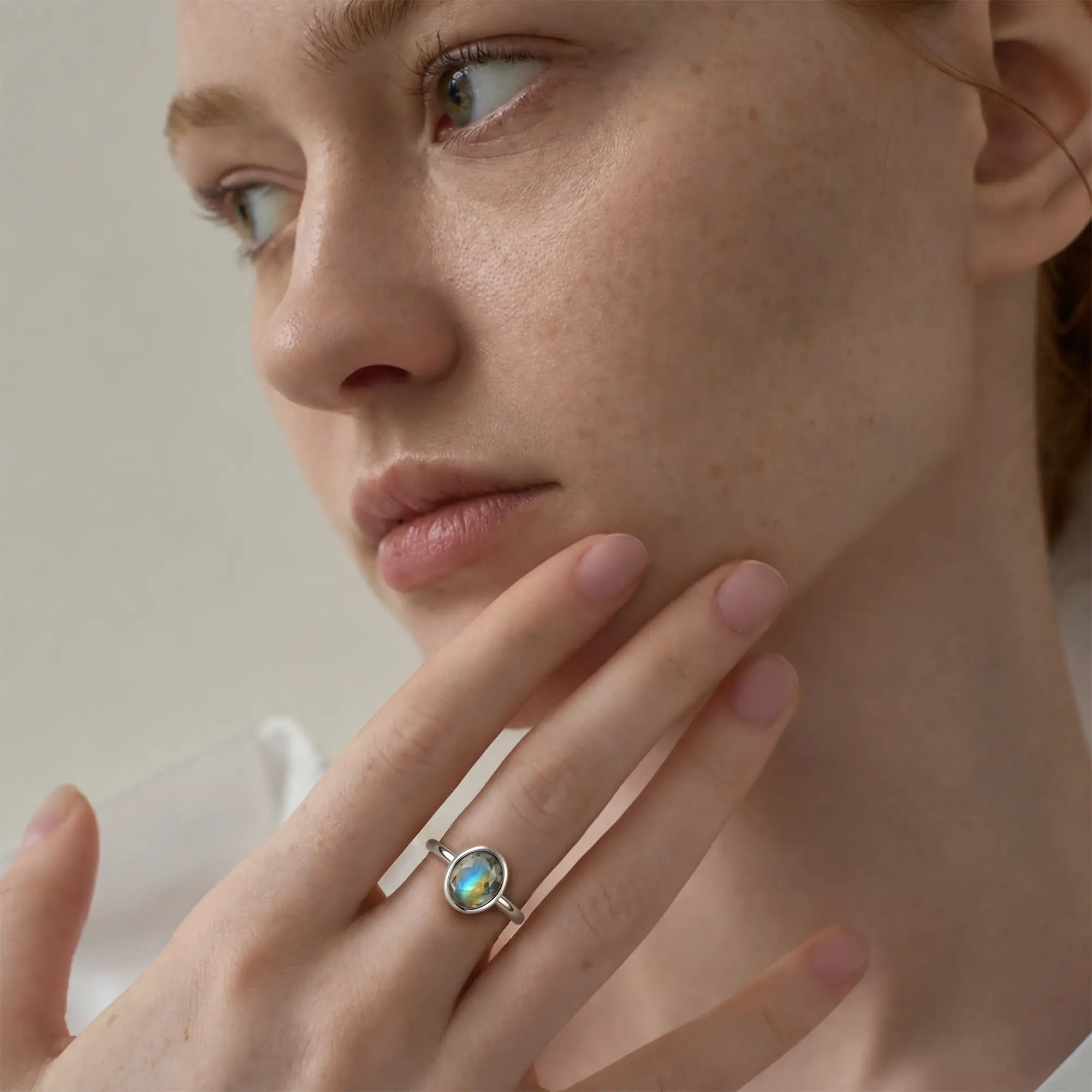
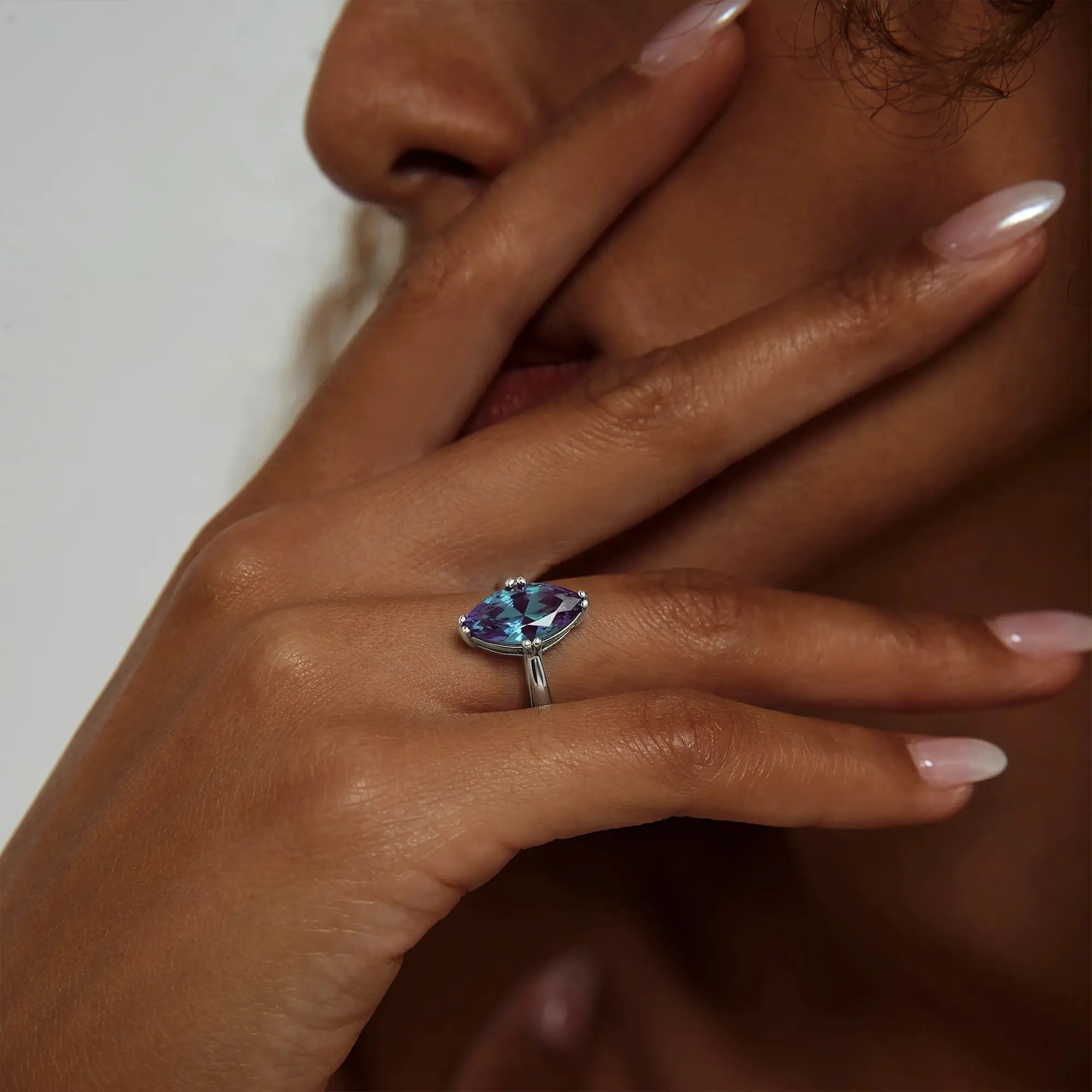
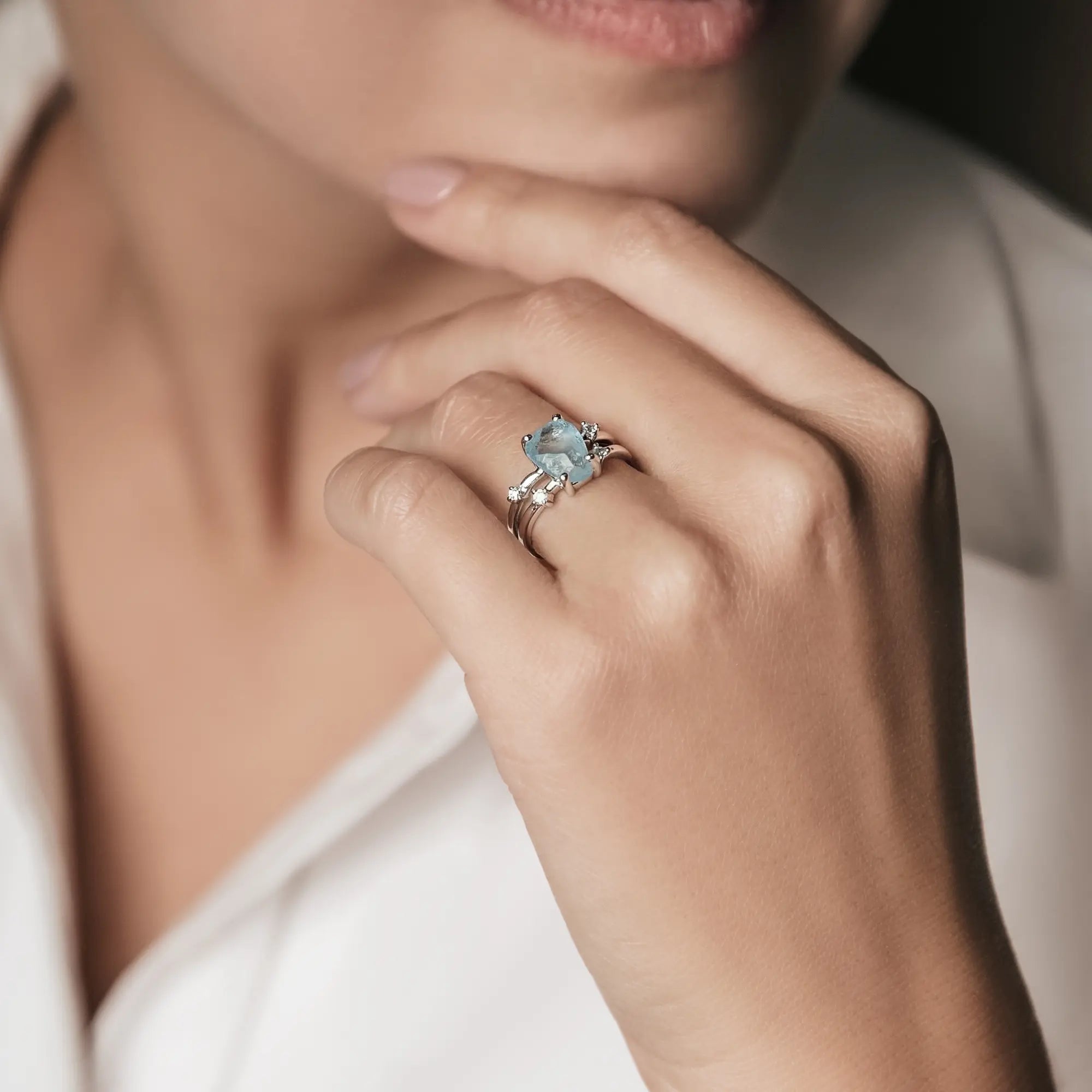
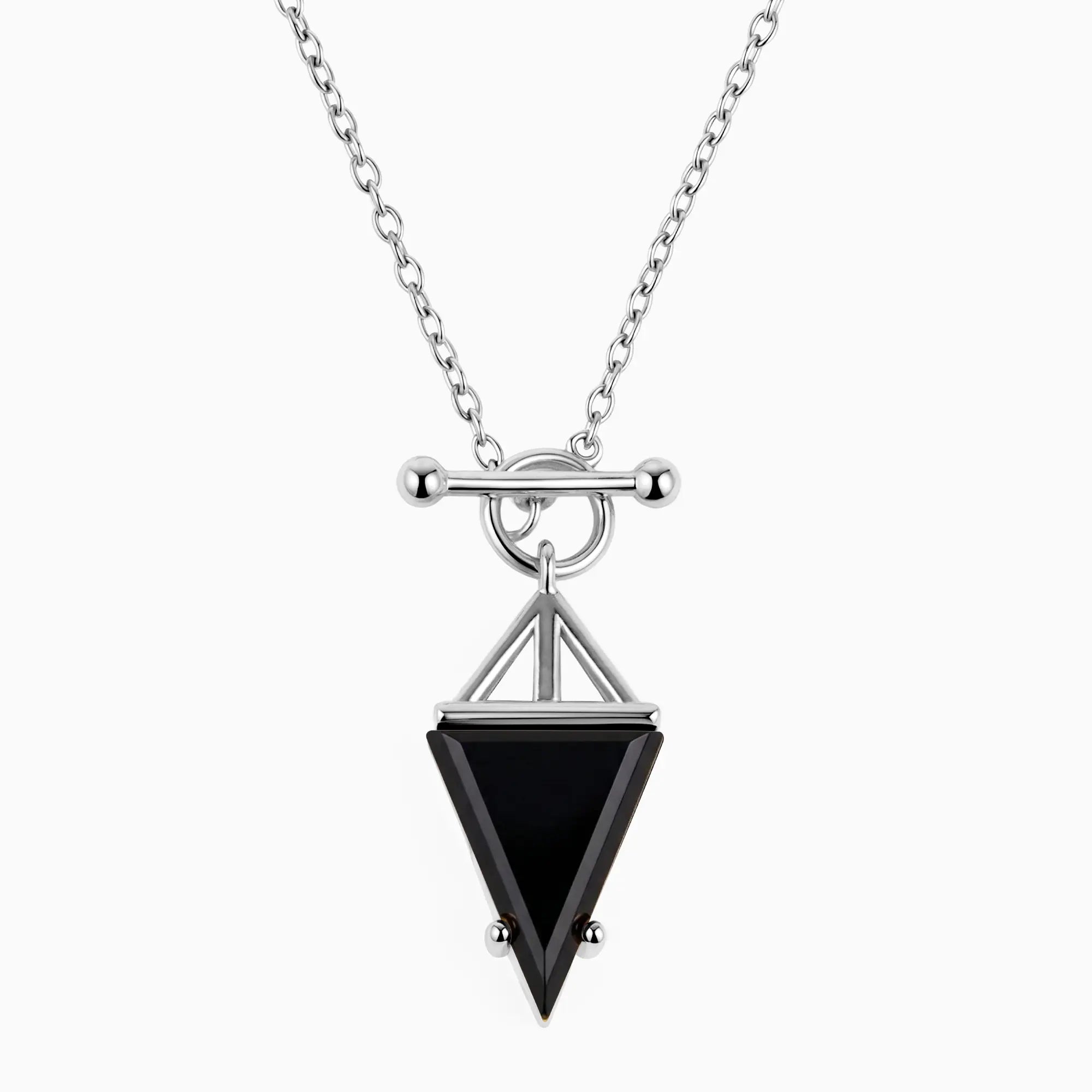
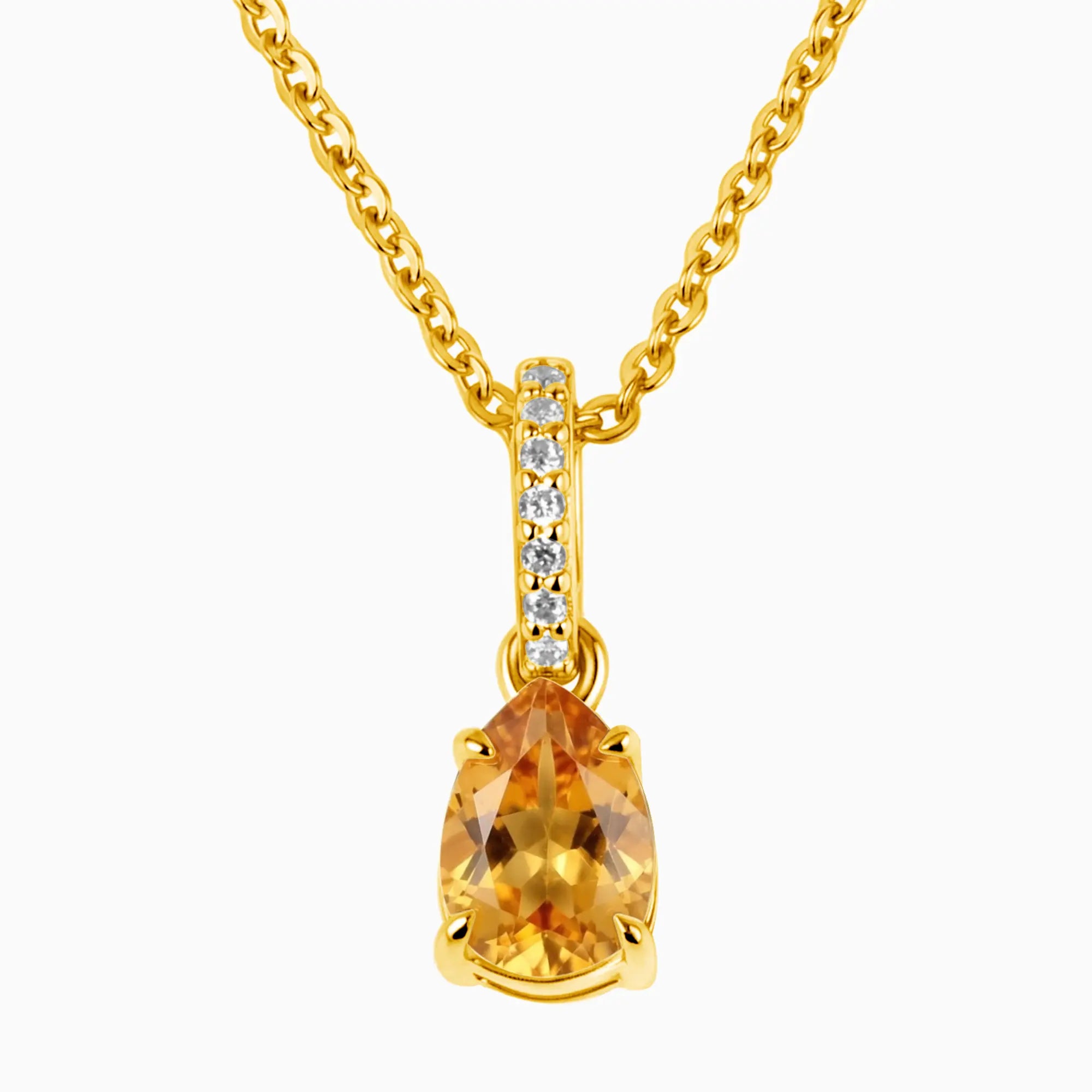



Are you interested in wearing two separate pendant necklaces at the same time with clear spacing and visual balance? Properly layering your pendants can create a personalized appearance that complements your clothing and style. The trick is to choose the right combination of pendants to achieve this objective.
However, it can be difficult to get two pendant necklaces to work together for you in this way. After all, each pendant competes with the other for attention while worn on your neck. It is even worse if you have two pendants with the same or similar length because one will overlap the other.
How do you avoid these issues? In this article, we’ll discuss the best tips and strategies to layer two pendant necklaces without crowding them on your neck.
Choose One Pendant as the Focal Point
The first thing that you’ll want to do is choose a main pendant. In other words, which pendant do you want to stand out the most? This pendant will be the focal point that attracts the most attention. It will be the centerpiece on your neck, standing out more from the second pendant.
The size, color, and detail are what establish a main pendant and a quieter supporting second pendant. For example, a main pendant might have a bigger, more colorful gemstone with a decorative chain or rope. Meanwhile, the supporting pendant would have a more minimalist design with a smaller gemstone to make it less visually prominent.
There must be a distinct contrast between the two pendants. The main pendant has to be the one that stands out the most. The supporting pendant cannot be a distraction to the main pendant. Because of this, each pendant’s size, dimensions, colors, shape, and overall visual detail are key factors in layering them correctly to establish a focal point.
Create Space with Chain Length and Pendant Drop
The gemstones are only part of the layering process. The chain length and pendant drop are part of it as well. These are two critical factors in successfully layering your pendants to ensure one does not overlap the other.
Choosing an adjustable chain length is a good idea for beginners who want to build layering experience. It will allow you to experiment with different chain lengths without needing to buy several different pendants. In any case, the common rule of thumb is to have the chains be around two or three inches apart in length as a starting point. So, if you have a 19-inch pendant necklace, you’d want the chain of the second one to be around 16 inches in length.
Pendant drop is a term that describes how far a pendant extends below the point where it hangs on the chain, including the part of the bail below the chain. For instance, a pendant attached to a 16-inch chain may still extend far below the chain’s lowest point where it is attached. That is why focusing on the chain length alone is not enough. You must also focus on the pendant dimensions as well when measuring and calculating the space for your pendants.
Measure from where the pendant hangs on the chain to its bottom edge, including the visible drop of the bail. Try on both necklaces and look for a gap between the upper pendant and the lower chain. That will help you better calculate the spacing of the pendants as you wear them on your neck. And again, an adjustable chain can help you correct any miscalculations or other spacing issues to prevent overlap.
Balance Pendant Size, Shape, and Detail
Two pendant necklaces with different chain lengths can still appear crowded if their gemstone sizes and shapes are similar. Therefore, the best way to reduce crowding is to have more contrast between the proportions of the two pendants.
For example, the main pendant could feature a large oval gemstone with a blue color tone, while the supporting pendant features a small square-shaped gemstone with a green color tone. The stark contrast between the two gemstones will allow the main pendant to stand out significantly more than the supporting one.
A simpler pendant design can also reduce crowding. One common layering mistake that people make is wearing two highly decorative pendants at nearly the same height on their neck. Even if both pendants are attractive in their design, they will come across as too elaborate since neither pendant complements the other.
The solution is to have fewer details and less complexity in the design of the supporting pendant. That way, it can better complement the main pendant by making it stand out the most. And, of course, adjust the chain sizes to allow for more separation between the gemstones.
Coordinate Metal Colors and Gemstones
We have discussed the importance of establishing contrast between the two pendants. However, there needs to be some similarity to make it look like these two individual pendant necklaces belong together. The best way to do that is through matching the colors of the metals.
For instance, two yellow gold pendants can establish more visual consistency when the shapes and sizes of the gemstones are different. You can apply the same concept to any metal in your pendants, such as rose gold, white gold, or sterling silver.
On the other hand, if you wish to mix your metals by having different colors for them, then make sure your pendants have similar design details instead. For example, let’s say you want to wear a sterling silver pendant and a yellow gold pendant. In this case, they could have similar shapes or chain textures to establish their connection with one another. Perhaps two circular gemstones or two rope-like chain textures.
Match the Layers to Your Neckline
The top edge of your shirt, sweater, blouse, dress, or any other upper garment is known as the neckline. It is the place where your chest, collarbones, or neck touch the top edge of the upper garment. You need to understand the position of your neckline because it will impact how well your two pendant necklaces look together as you wear them.
The neckline determines how much space is available for the two individual pendants and whether their gemstones will remain visible as you wear them. Since your clothing significantly influences the position of your neckline, you might need to adjust your chain lengths to accommodate each upper garment that you choose to wear. Otherwise, different outfits could impact the layering quality of your two pendants.
Let’s look at two examples:
Example #1
Let’s say you like to wear V-neck sweaters that have a vertical opening at the top. V-neck sweaters work well when layering pendants because they provide a sufficient amount of space for them. In fact, there is usually enough space for the longer pendant to hang farther down, following the shape of the V. Meanwhile, the shorter pendant can hang higher up on the neck, where it is closer to the collarbone.
Example #2
Suppose you like to wear crew neck shirts, where the fabric extends higher on the neck. In this case, you could wear a short pendant just above the neckline and a longer pendant hanging over the shirt itself. After all, there is no rule that says you have to wear both pendants on your skin. You can have the shorter pendant on your skin and the longer pendant on your shirt. Not only would this give them sufficient space between one another, but it would make each pendant stand out more.
Adjust for Movement, Overlap, and Tangling
The appearance of two layered pendant necklaces can look different while you’re standing than when you’re moving. Simple everyday movements, such as walking, bending, or turning your head, may cause the pendants to move to different positions on your neck and overlap inadvertently. These misplacements can impact the layering quality that you wish to establish.
Solving this problem will require frequent trial-and-error experimentation. Try putting on two pendant necklaces and then go for a short walk while wearing them. Observe the pendants to see if they move to different positions as you walk. Do the same thing with other types of movements, such as turning your head and bending over.
If you find that your two pendant necklaces frequently get tangled or overlap from those movements, you’ll need to adjust their chain lengths accordingly. Try making the supporting pendant much shorter than the main pendant. That might help with the tangling problem (although there is no guarantee of avoiding tangling entirely).
Ultimately, you should try experimenting with different chain textures, thicknesses, and lengths to reduce the risk of tangling and overlapping. Pay attention to the weight of the pendants as well, as a heavy pendant may pull the chain into a different position than a lighter pendant.
The goal is to create a combination of pendants that can remain looking balanced during normal daily movement, not just when you’re looking at yourself in front of the mirror. It may take some time to achieve this objective, but you can do it with patience.
Three Two-Pendant Combinations to Try
Are you unsure where to begin? Here are three possible two-pendant combinations for you to try out and see if they work for you.
Combination #1
Use a medium-sized oval sapphire as the focal pendant and a tiny heart-shaped charm as the supporting pendant. Put the supporting pendant on a shorter chain near the collarbone. Make the chain about 16 inches long. Now, make the chain of the focal pendant about 19 to 20 inches long.
An open-collar shirt, such as a V-neck sweater or blouse, is ideal for this combination.
Combination #2
Use a large-sized decorative gemstone as the focal pendant and a small circular gemstone as the supporting pendant. The focal pendant can have a shorter chain of about 17 inches long, while the supporting pendant can have a chain around 20 to 21 inches long.
A simple crew-neck shirt with less neckline space is suitable for this, as the pendants can hang down over the shirt. Also, it is okay to use a shorter chain for the focal pendant if the gemstone is complex and attractive. Leave enough space below the focal pendant for the longer chain and its smaller gemstone to sit separately.
Combination #3
Use a vintage-style yellow gold metal locket with a medium-sized orange gemstone as the focal pendant, and a small circular charm with sterling silver metal as the supporting pendant. Put the focal pendant on a 19-inch chain, and the supporting pendant on a 16-inch chain. Adjust the chain heights as needed based on the gemstone and charm sizes.
A square-neck top or a blouse with an open collar is a suitable neckline for this combination. The gemstone and charm can look similar in size and shape because of the contrast between the two metals. That is what will attract attention to the pendants.
Shop Blue Sapphire Necklaces
View All →


