





Understanding Natural Citrine and Its Alternatives
People often ask me why citrine bracelets can vary so much in price when their colors look almost identical.
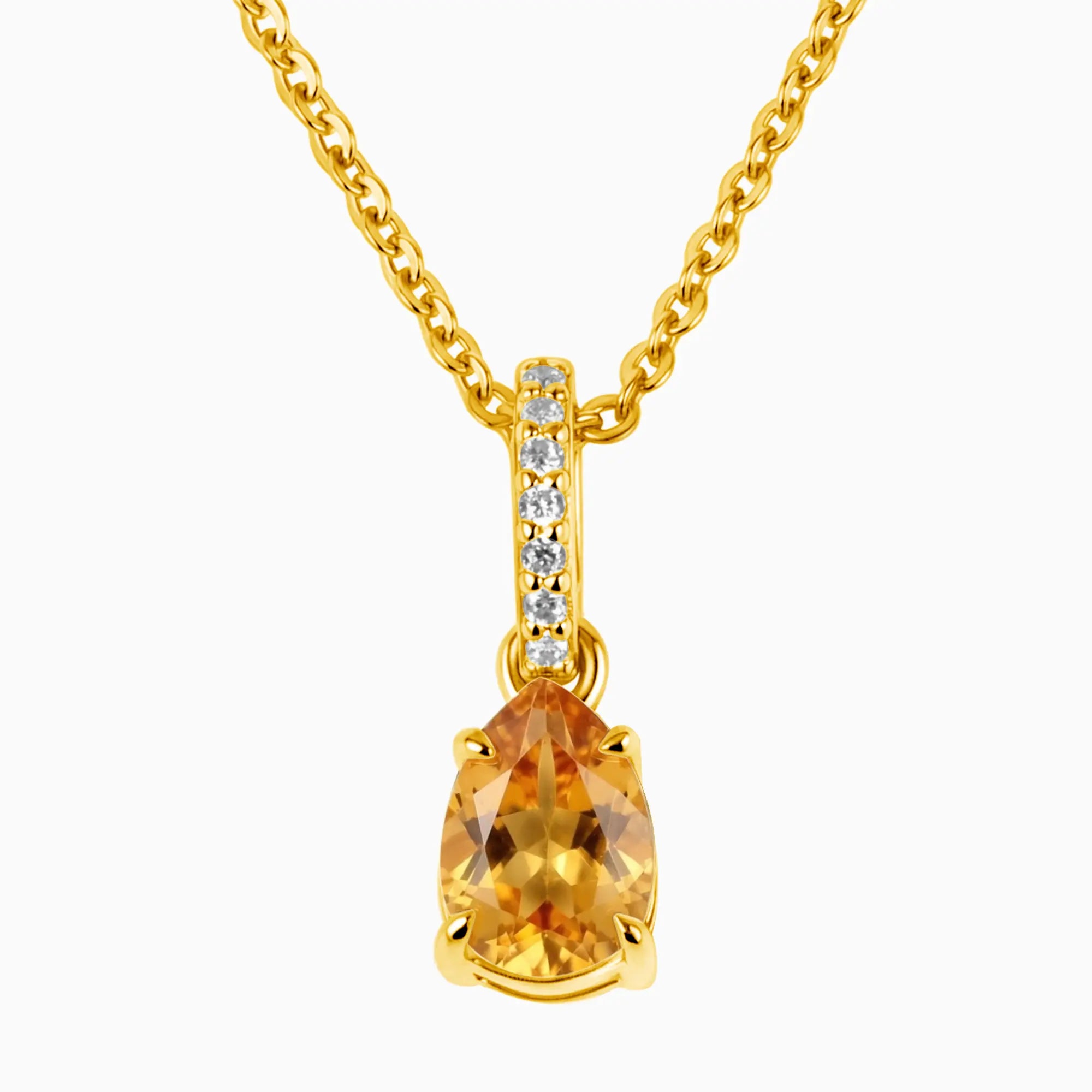
For this comparison, I photographed four common types sold as citrine under direct lighting. We will look at their color, internal features, and treatment methods to understand the differences between naturally colored and treated citrine.
First, a common misconception: treated citrine is not automatically fake quartz. Much of the citrine on the market starts as natural amethyst or smoky quartz, then undergoes heating or another process to change its color. These treatments are common. What matters is whether the seller clearly discloses them.
Shop Citrine Jewelry
View All →


After years of collecting crystals, I hate seeing someone pay the price of naturally colored citrine and receive a treated stone instead. The two may look very similar to the naked eye, but their color origins, natural rarity, and market values are different.
There is no need to dismiss a stone as fake just because it has been heat-treated. A beautiful color does not automatically mean it formed naturally, either. Understand where the color comes from before deciding whether the price makes sense.

1 Why Heat Treated Citrine Is Sometimes Called Fake
Heat Treatment Does Not Automatically Make Citrine Fake
Heat-treated citrine is made by heating natural amethyst or smoky quartz to 450–560°C, changing its color through the oxidation of iron within the crystal. This is an industry-recognized enhancement. The concern is price and disclosure: treated pieces may cost only tens of yuan to around RMB 200, while naturally colored pieces can cost ten times as much. Selling a treated stone as naturally colored citrine misleads the buyer.
Selling Treated Citrine as Naturally Colored Citrine
We consider it deceptive to sell heat-treated citrine as naturally colored citrine at a premium. In that situation, the buyer has not received what was represented. When treatment is disclosed and the price reflects ordinary quartz, it is a normal commercial transaction.

I put these comparison images together to help people make informed purchases, not to promote natural stones at the expense of treated ones.
2 Comparing Natural Citrine Treated Citrine Lab Grown Quartz and Glass
Color and Luster
- Natural citrine, including Brazilian yellow quartz and some lemon-yellow material, does not have perfectly uniform color. When light passes through it, you can see variations in tone and natural color zoning.
- Quartz whose color has been altered by heat has a more rigidly uniform appearance. The color can seem to sit on the surface rather than show natural depth.
- Glass imitations have harsh-looking color and a glaring shine, rather than the softer luster associated with quartz.
Internal Features
- Natural quartz usually contains some fractures, wispy inclusions, or tiny mineral inclusions that reflect its natural formation.
- Lab-grown quartz and glass imitations can look unnaturally clean. Glass may contain round bubbles, while natural quartz does not.
- Quartz whose color has been altered by high heat may show traces of pigment concentrated in fractures and crevices.
Feel and Appearance Under Light
- Natural quartz conducts heat quickly and feels noticeably cool when first picked up. Glass warms up more quickly in the hand.
- Rotate the stone under a light. Natural citrine shows weak dichroism, with slight changes in color at different angles. Heat-treated and lab-grown material does not show this effect.
3 What Color Zoning and Inclusions Can Tell You

The yellow color in citrine and related quartz can be discussed in terms of four mechanisms.
Aluminum Related Color Centers
Tea-yellow to warm yellow: In natural citrine, the color centers are associated with aluminum ions, with hydrogen ions providing charge compensation.
Lemon yellow: This color can be produced by irradiating and then heating clear quartz, or by heating smoky quartz directly. Not all clear or smoky quartz is suitable. The material must contain aluminum with lithium as the charge-compensating ion. It has no color zoning and shows a greenish cast, giving it a cooler yellow appearance.
Suspended Iron Oxides
Honey yellow, intense yellow, and golden red: These colors are produced by heating amethyst. The higher the quality of the starting amethyst, the less likely color zoning is to appear. This material is also sold under the trade name “Golden Tower Crystal.”
Not every seller knowingly misrepresents the material. Some rough is heat-treated in small workshops in Brazil before it reaches China, so factories receive it in that condition. A seller may say it was never heated because they did not perform the treatment themselves, even though heating happened earlier in the supply chain. Some people suggest that natural geothermal heat could be responsible, but I do not consider that statistically meaningful. To examine the material, look for Brazil-law twinning or spiral interference patterns.
Iron Ions
Pale yellow to honey yellow: This material mainly occurs alongside Bolivian amethyst and does not have a particularly intense color. If you have seen ametrine, think of its yellow portion cut out on its own. Why the Bolivian deposits naturally produce this iron-related yellow color remains a subject of academic debate.
Inclusions
Pale yellow to warm yellow: This material is usually milky, though highly translucent pieces occur occasionally. It is compared with dumortierite quartz, rose quartz, and milky quartz. Dumortierite quartz has coarser “fibers”; those in rose quartz are pink, those in milky quartz are white, and those in this yellow material are yellow.
It has no color zoning and is somewhat less transparent, with a soft, hazy appearance similar to rose quartz. Under a light, it can display a six-rayed star.
My advice is to choose citrine you enjoy looking at. Even heat-treated pieces may start with top-quality amethyst, and the treatment process has a substantial failure rate. Photos may help me identify some imitations or treated pieces, but they cannot confirm that a particular bracelet is entirely natural and untreated. That requires examination with instruments.
An additional point about color zoning: lemon-yellow quartz and the inclusion-colored yellow material resembling rose quartz are produced in large quantities and are less favored in the market. Neither has color zoning. The popular material sold as “Brazilian yellow” does show variations in color intensity. For a demonstration of how to look for zoning, see the post on my profile about identifying convincing crystal imitations at no cost.
As for the claim that heat treatment cannot be detected, heat-treated citrine shows obvious purple or brown color bands. Using top-quality amethyst may reduce that zoning, but the higher cost of the starting material raises questions about the economics of doing so.
4 What to Check Beyond a Report That Says Quartz
Naturally colored citrine is exceptionally rare within the quartz family. Of the citrine on the market, 99% has been heat-treated. Many pieces sold as “top-grade citrine” started as lower-grade amethyst, heated to turn the purple color yellow. This widely used process is known as heat treatment. Although Chinese national gem-testing authorities recognize this enhancement, experienced collectors still distinguish it from naturally formed lemon-yellow citrine.
Color: Natural citrine tends to have a darker tone, a tea-colored cast in Brazilian material, or a fresh lemon-yellow color. Deep orange material is generally heat-treated.
Price: A completely clear, naturally colored citrine priced at just a few dozen yuan per gram should make you skeptical.
Report details: Look beyond the word “quartz.” If the stone has undergone heavy irradiation or dyeing, the report should indicate it.
5 Is Heat Treated Citrine Worth Buying
Make an Informed Purchase
We think it can be worth buying, but you should not pay a premium for lab-grown or heat-treated citrine as though it were naturally colored material.
Do Not Pay for Marketing Induced Anxiety
Citrine is a variety of quartz; it does not have an energy that attracts wealth. Many sellers appeal to people’s hopes for financial success to sell ordinary heat-treated quartz at inflated prices.
It is easy to follow a trend, buy a stack of bracelets, and leave them unused once the novelty wears off.
If you simply love citrine’s golden color, it can be a worthwhile purchase. Just remember that most of it is heat-treated amethyst. Buy it for its appearance, without expecting it to change your luck or bring you wealth.


