
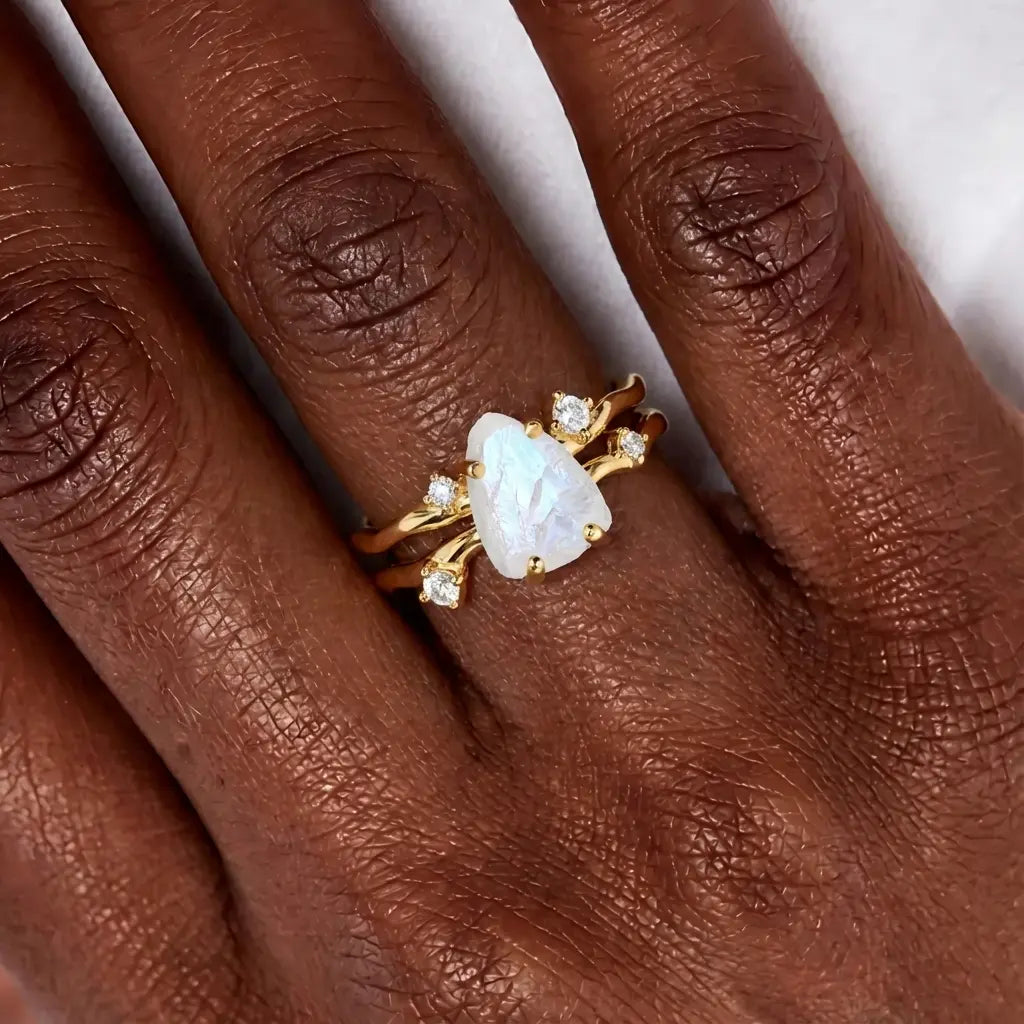
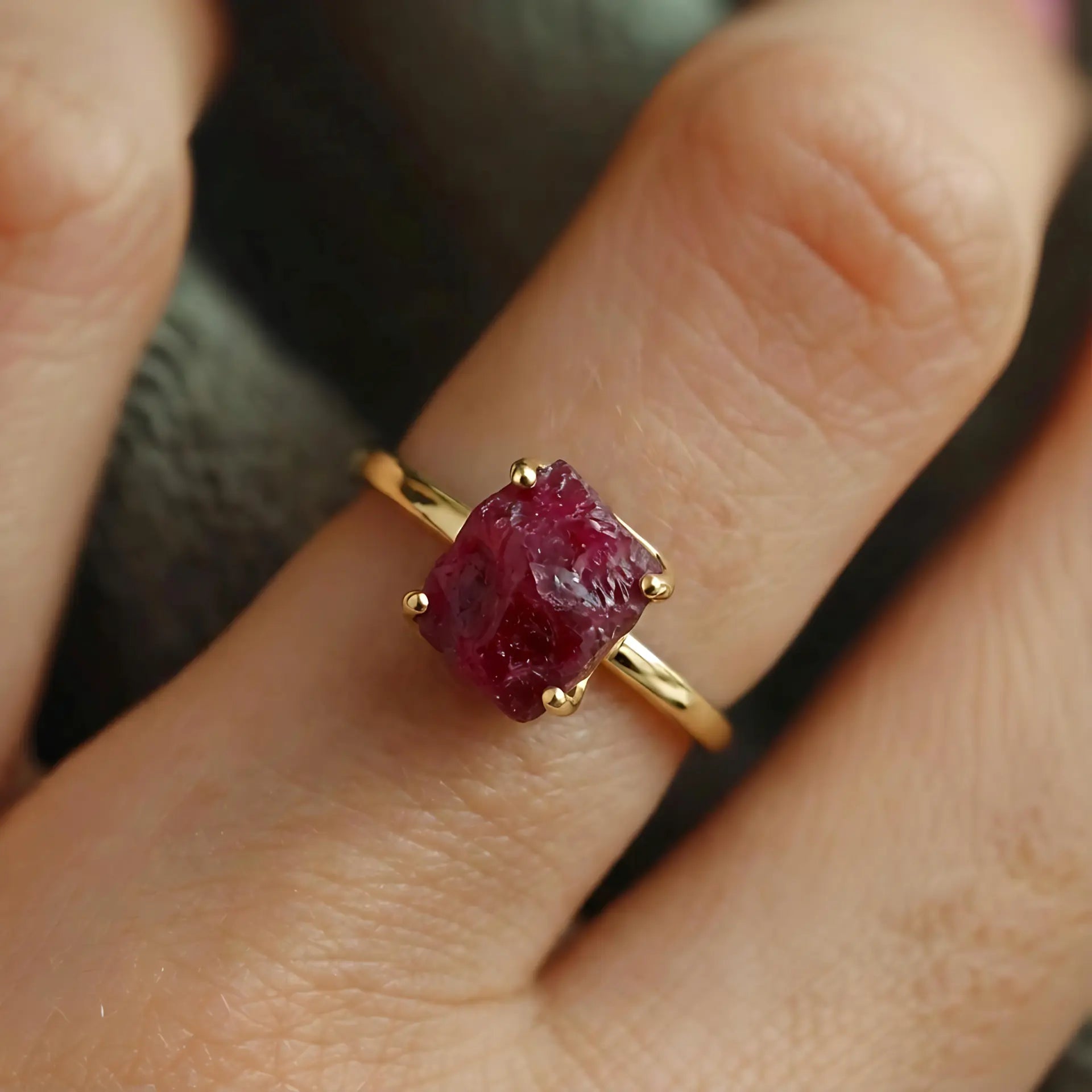


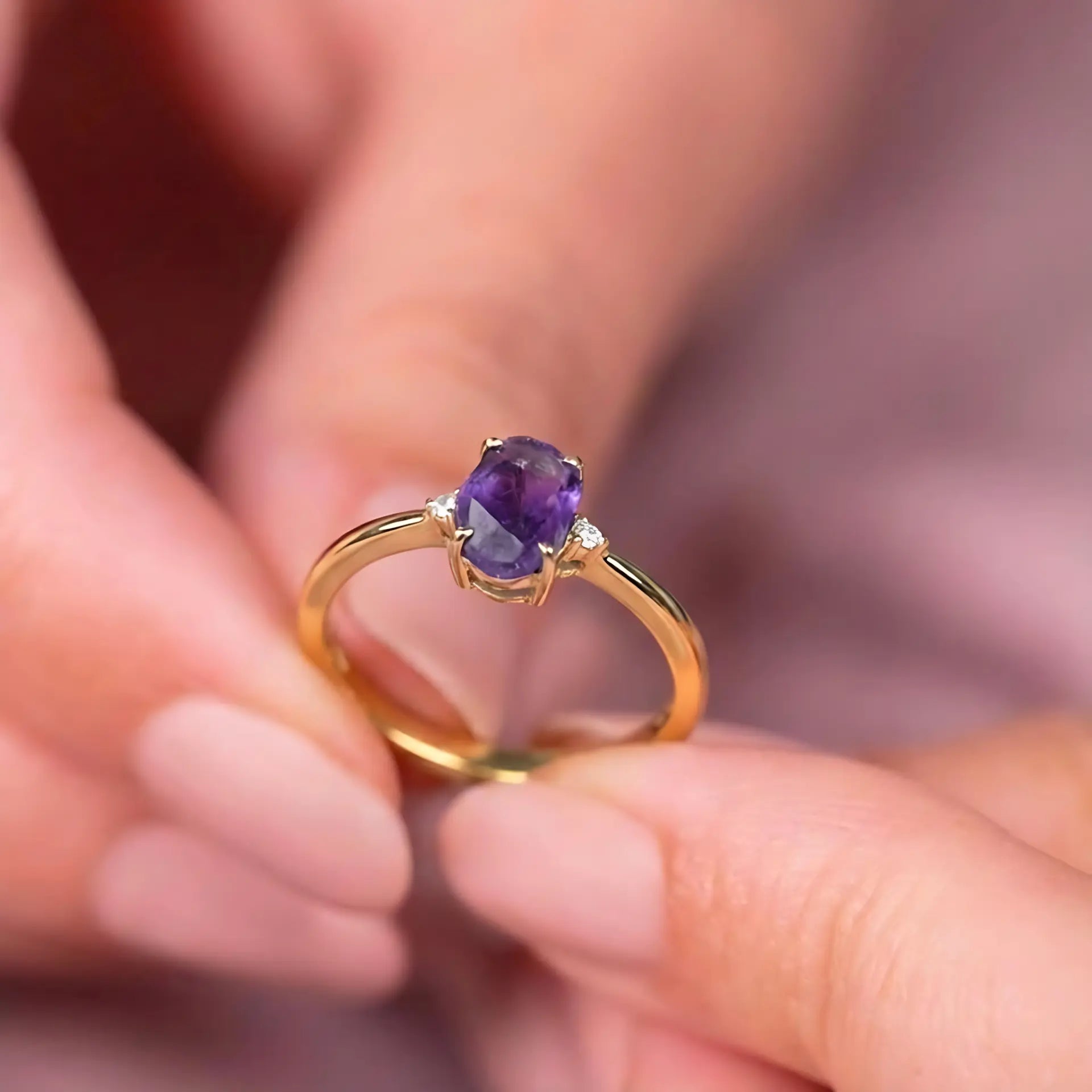
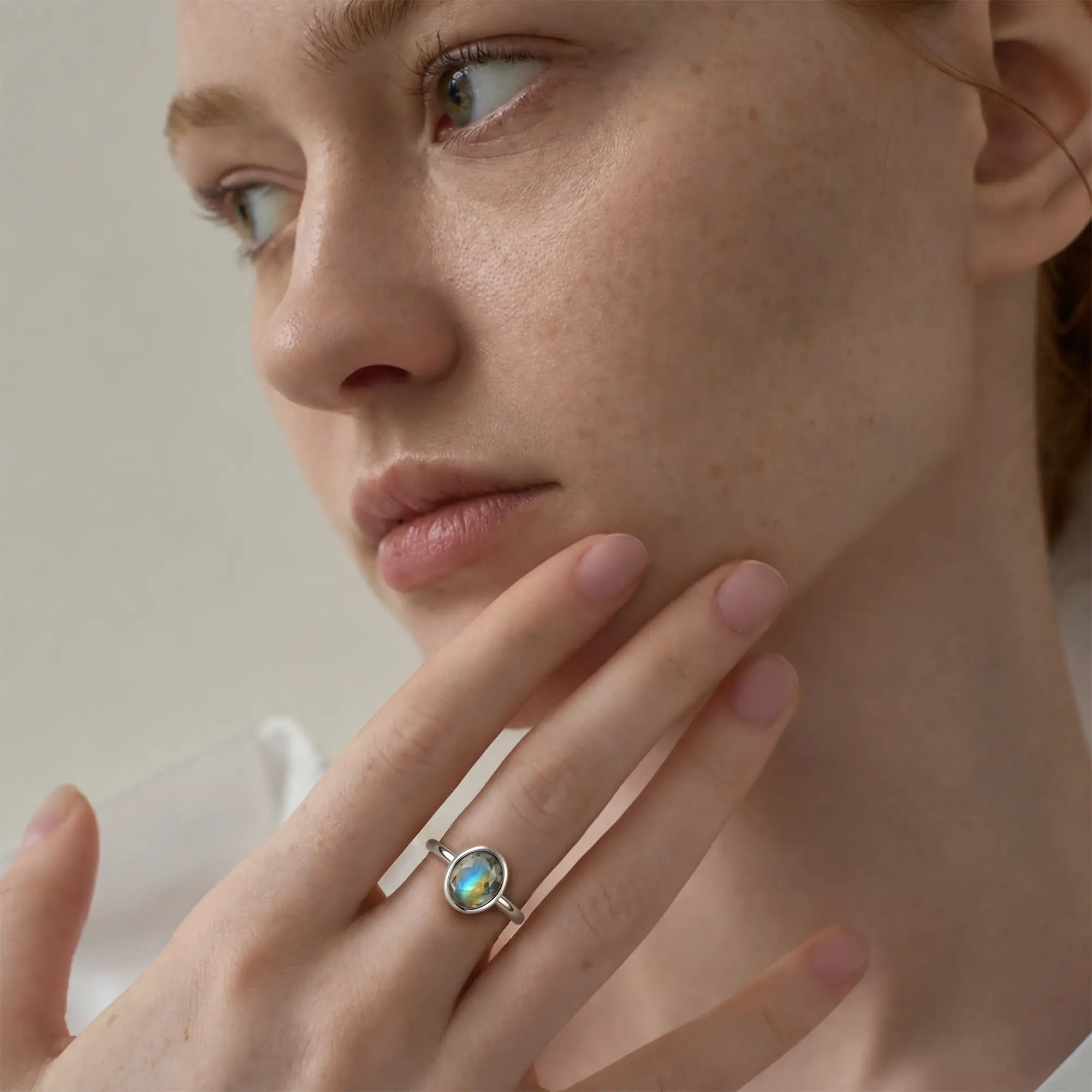



Bloodstone is a gemstone with an interesting name and an even more interesting appearance. It is a variety of chalcedony, a form of quartz, with a mostly dark green body interrupted by patches of red markings. These red markings immediately change the character of the stone and create a contrast that greatly contributes to its identity and symbolism.
Many people wear bloodstone for more than its color. They wear it for what they believe it represents, such as courage, perseverance, vitality, and sacrifice. These associations have developed partly from its contrasting colors and the ways people have interpreted them throughout history.
To understand bloodstone's meaning in jewelry, it helps to look at where its name comes from, how it has been used, and why endurance has become such a fitting symbol for the stone.
Where the Name Comes From
Since bloodstone has a mostly green color with only red markings, some people get confused as to why it is called a “bloodstone.” To understand the name, it helps to look at the stone's history.
Heliotrope is another longstanding name for bloodstone. It comes from Ancient Greek, particularly two Greek words, “helios” meaning sun and “trepein” meaning to turn. According to ancient beliefs, the stone could make the sun appear red when placed in water. This was a traditional interpretation of its appearance rather than an actual property of the gemstone.
Over time, people across different cultures developed their own interpretations and symbolism around bloodstone. Its familiar English name reflects the red markings scattered across the green material, which resemble traces or drops of blood.
Names have regularly influenced the way in which gemstones are understood by people. Blood doesn’t always have negative meaning or symbolism. Once a stone like bloodstone is visually associated with blood, ideas of vitality, courage, sacrifice, and perseverance naturally begin to appear around it.
A Stone Made to Be Worn
Bloodstone has been used in a variety of different ways over the centuries. Some of the most notable uses are as follows:
Seals – Carved bloodstone was used for seals because its fine-grained structure could hold engraved details and produce impressions in wax.
Carved Gems – Artisans and gem cutters carved designs into the gemstone to depict gods, religious figures, and other historical subjects.
Signet Rings – Bloodstone was used in engraved rings bearing personal symbols, initials, or family crests. These could serve as signs of identity and, in some cases, be used to stamp wax seals on documents.
Amulets – In some ancient traditions, people believed bloodstone amulets offered protection or special powers, including the ability to stop bleeding. Such properties belong to historical beliefs rather than established medical effects.
Personal Objects – Bloodstone was also used for decorative objects beyond jewelry. Historical examples include carved cups, ornamental boxes, and other finely worked pieces, sometimes combined with precious metals.
Bloodstone doesn’t depend on brilliance or sparkle to attract attention. Instead, its appeal often comes from its unique surface, color contrast, and overall presence. That is why it works particularly well as a piece of jewelry with symbolic and personal meaning.
The Meaning of Bloodstone
The central Drunk Angel interpretation of bloodstone is endurance, which is another way of describing the ability to continue. Another interpretation of bloodstone is strength, which refers more broadly to the capacity to face difficulties.
When you combine the two interpretations together, they suggest remaining committed after the first burst of energy has passed. From there, bloodstone can also symbolize resilience, courage, commitment, and focused drive.
In other words, if you are in a difficult situation where progress moves slowly, bloodstone symbolizes the idea of remaining committed to getting through the situation without giving up.
These meanings are symbolic rather than scientifically proven effects. The stone doesn't provide endurance on its own, but it can represent qualities that someone values or hopes to develop.
Why Endurance Is More Interesting Than Strength
The gem and jewelry industry often describes crystals using broad words like strength and energy. These associations can be meaningful, but endurance gives bloodstone a more specific character.
Strength can describe the ability to face a challenge. Endurance goes further, suggesting the determination to continue even when the initial motivation has faded.
Bloodstone's history, appearance, and use in jewelry offer several ways to understand this symbolism:
Continue – Bloodstone belongs to the fine-grained chalcedony family, which has long been valued for carving and polishing. Its presence in historical objects offers a connection to continuity, although the gemstone itself is not immune to damage.
Withstand Pressure – Bloodstone ranks about 6.5 to 7 on the Mohs hardness scale, giving it reasonable resistance to everyday scratching. This does not make it resistant to crushing or hard impacts. As a symbol, however, it can represent the ability to remain steady when circumstances become demanding.
Remain Committed – Bloodstone has a history of being used in seals and signet rings, objects associated with identity, decisions, and personal commitments. This makes commitment a natural part of its modern symbolism.
Persist When Progress Is Slow – The deep green background and scattered red markings create a distinctive pattern that varies from stone to stone. These natural markings can serve as a visual reminder that progress does not always follow a straight or predictable path.
Taken together, these associations point toward perseverance and the willingness to keep going. For someone who values these qualities, wearing bloodstone can be a personal reminder of that intention.
Bloodstone Meaning in Jewelry
What happens when a symbolic stone like bloodstone becomes something worn repeatedly? Let’s take a bloodstone ring as an example, since rings have a long history of featuring this gemstone.
Bloodstones have a long relationship with seals and signet forms. They often carry ideas of identity, decision, resolve, and continuity. Historically, people wore signet rings to represent their status, personal identity, or family heritage. Engraved designs could also be used to leave an impression in wax, giving these pieces a practical purpose alongside their symbolic value.
Today, a bloodstone ring may carry a more personal meaning. Someone might choose one to represent an important decision, a long-term goal, or a period of life that required determination.
As for bloodstone pendants and bracelets, they can feel less formal but still retain the same personal symbolism. Someone may choose to wear a bloodstone pendant or bracelet to represent their endurance through a tough situation, whether it was a difficult personal experience or an accomplishment that required persistence.
Bloodstone jewelry can turn an abstract meaning into something physical and familiar. A piece worn regularly can become a reminder of the experiences, decisions, or values associated with it.
Shop Bloodstone Jewelry
View All →


Bloodstone and Commitment
Another jewelry-specific interpretation of bloodstone is commitment. Because endurance is about continuing over time, bloodstone can carry several related meanings in the minds of people:
Long-Term Goals – People must commit to long-term goals in order to accomplish them. Bloodstone can represent the patience and steady effort required to keep working toward something, even when the results are not immediately visible.
Personal Promises – Bloodstone's historical use in seals and signet rings connects it to personal identity and the act of making a mark. In modern jewelry, it can serve as a reminder of a promise someone has made to themselves or another person.
Relationships That Have Survived Difficulty – Many relationships become meaningful not because they have been easy, but because people have worked through difficult periods together. Bloodstone can symbolize this kind of commitment, where persistence and understanding matter more than perfection.
Periods Requiring Patience – Sometimes the best way to get through a difficult period is to have patience. Bloodstone can represent the ability to remain steady, take time to reassess, and avoid rushing decisions simply because a situation feels uncomfortable.
Milestones Reached Through Persistence Rather Than Speed – Bloodstone is not about instant gratification. It can represent slow and steady progress toward a milestone or long-term goal. For someone who values persistence, a bloodstone jewelry piece may become a reminder of what it took to reach that point.
These interpretations are not fixed rules. Some people connect bloodstone with commitment, while others see it primarily as a symbol of courage or endurance. The meaning ultimately depends on the person wearing it.
Bloodstone as a March Birthstone
Bloodstone is traditionally associated with the month of March, alongside aquamarine. The two gemstones have very different appearances, giving people born in March more than one way to connect with their birthstone.
The contrast between the two is what makes bloodstone interesting, since it offers a different expression of March compared with aquamarine.
For instance, aquamarine is often associated visually with lightness, water, and clarity. Bloodstone feels darker and more earthy, with its deep green body and distinctive red markings. Its long history in carved objects and signet jewelry also gives it a different character.
That contrast makes bloodstone an interesting choice for someone looking beyond the most familiar March birthstone designs. It may appeal to people who prefer a more understated appearance or who connect with its symbolism of endurance and perseverance.
Why Bloodstone Still Feels Relevant
Bloodstone is a gemstone that has survived changes in fashion because its appeal is not dependent on trend-driven color alone. Its strong visual identity and symbolism give it a different kind of longevity.
The dark green material with red markings scattered throughout creates an identity that is not limited to one specific era. Even if the language and feelings surrounding it change, the ideas of persistence and perseverance remain relevant to human experience.
That helps explain why bloodstone continues to appear in different forms of jewelry and personal adornment, from traditional signet rings to contemporary necklaces and bracelets.
Bloodstone doesn’t need to be fashionable to carry personal meaning. People may still find it relevant today because of what endurance represents. It is not about possessing magical powers to achieve goals, but about recognizing the determination needed to work through difficult situations and continue moving forward.
That is something people have valued throughout history, and it remains meaningful today.
Frequently Asked Questions About Bloodstone
Is bloodstone a type of jasper?
Bloodstone is sometimes called blood jasper or green jasper, but it is classified as a variety of chalcedony. Jasper and bloodstone belong to the same broader quartz family, which explains why their names are sometimes used interchangeably.
What causes the red spots in bloodstone?
The red spots come from iron oxide minerals, most commonly hematite, within the green stone. These markings form naturally and can appear as tiny specks, scattered dots, or larger patches. No two bloodstones have exactly the same pattern.
What makes a good-quality bloodstone?
A rich green background with clearly visible red markings is generally considered desirable. Strong color contrast, an attractive pattern, and a smooth polish can all contribute to a stone's appeal. However, the ideal balance of green and red is also a matter of personal preference.
Is bloodstone suitable for rings?
Yes. Bloodstone has a hardness of approximately 6.5 to 7 on the Mohs scale, making it a practical choice for many ring designs. It can still chip or scratch if subjected to hard impacts, so protective settings and reasonable care are recommended.
How should bloodstone jewelry be cleaned?
Use lukewarm water, mild soap, and a soft cloth to gently clean bloodstone jewelry. Avoid harsh chemicals, abrasive cleaners, and sudden temperature changes. Dry the jewelry thoroughly before storing it separately from harder gemstones.


