
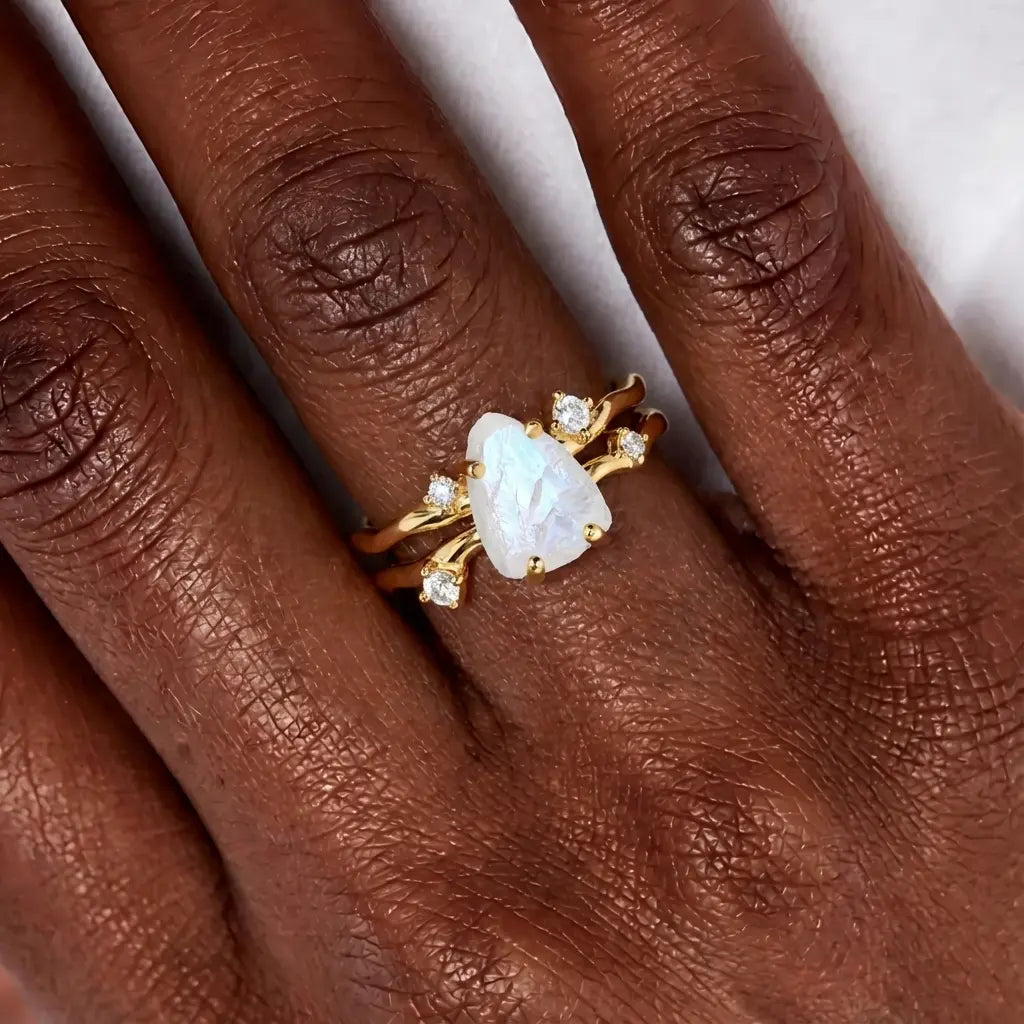
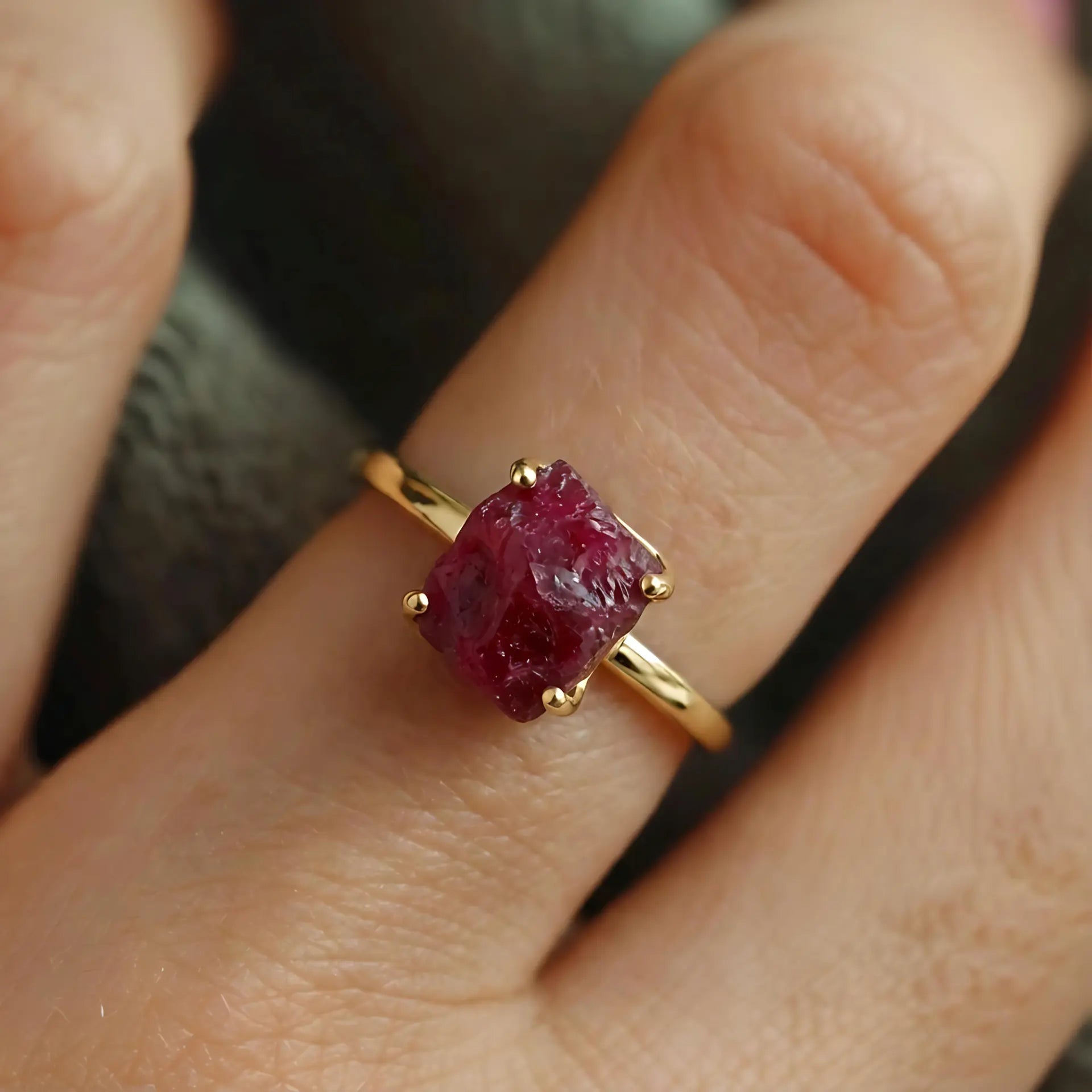


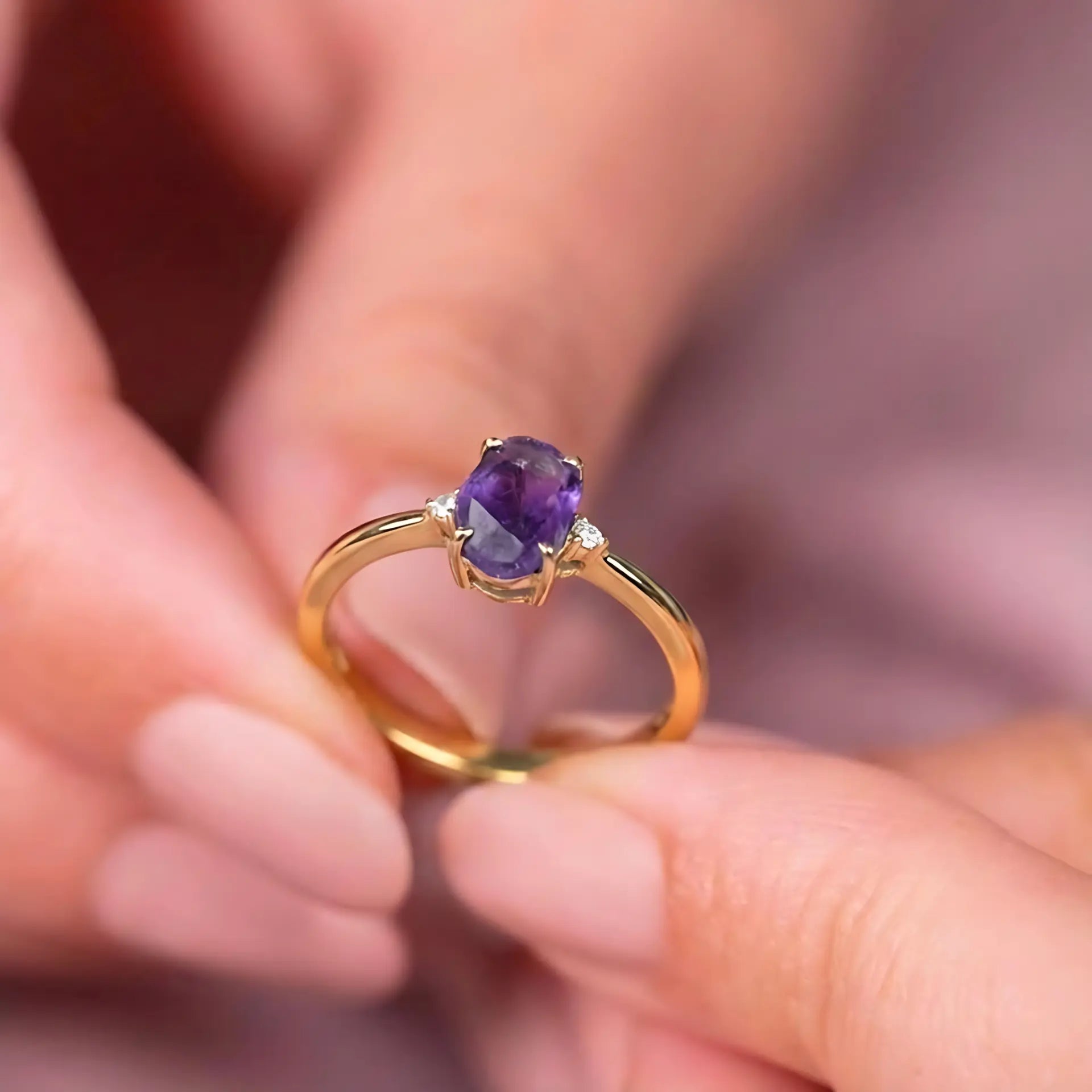
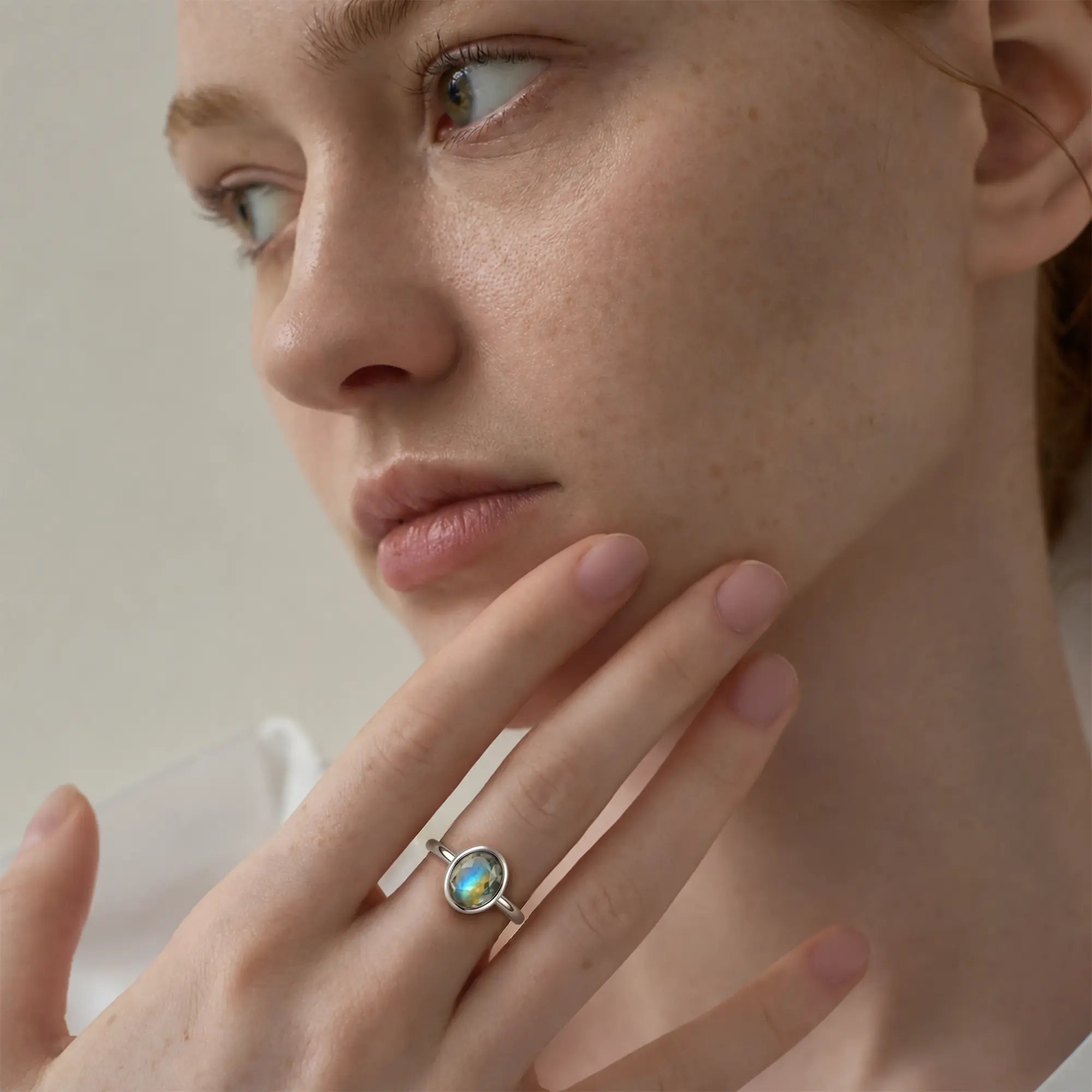
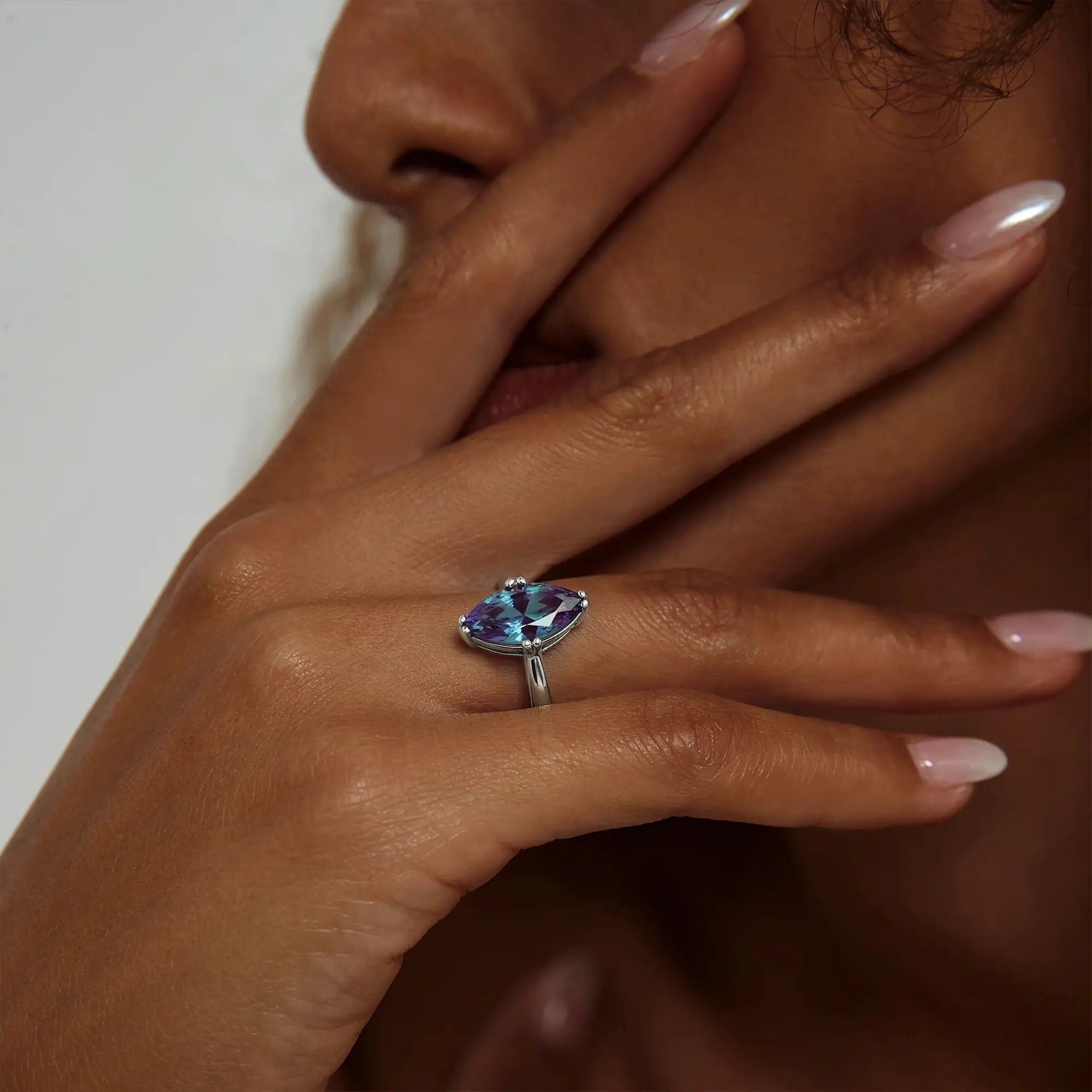
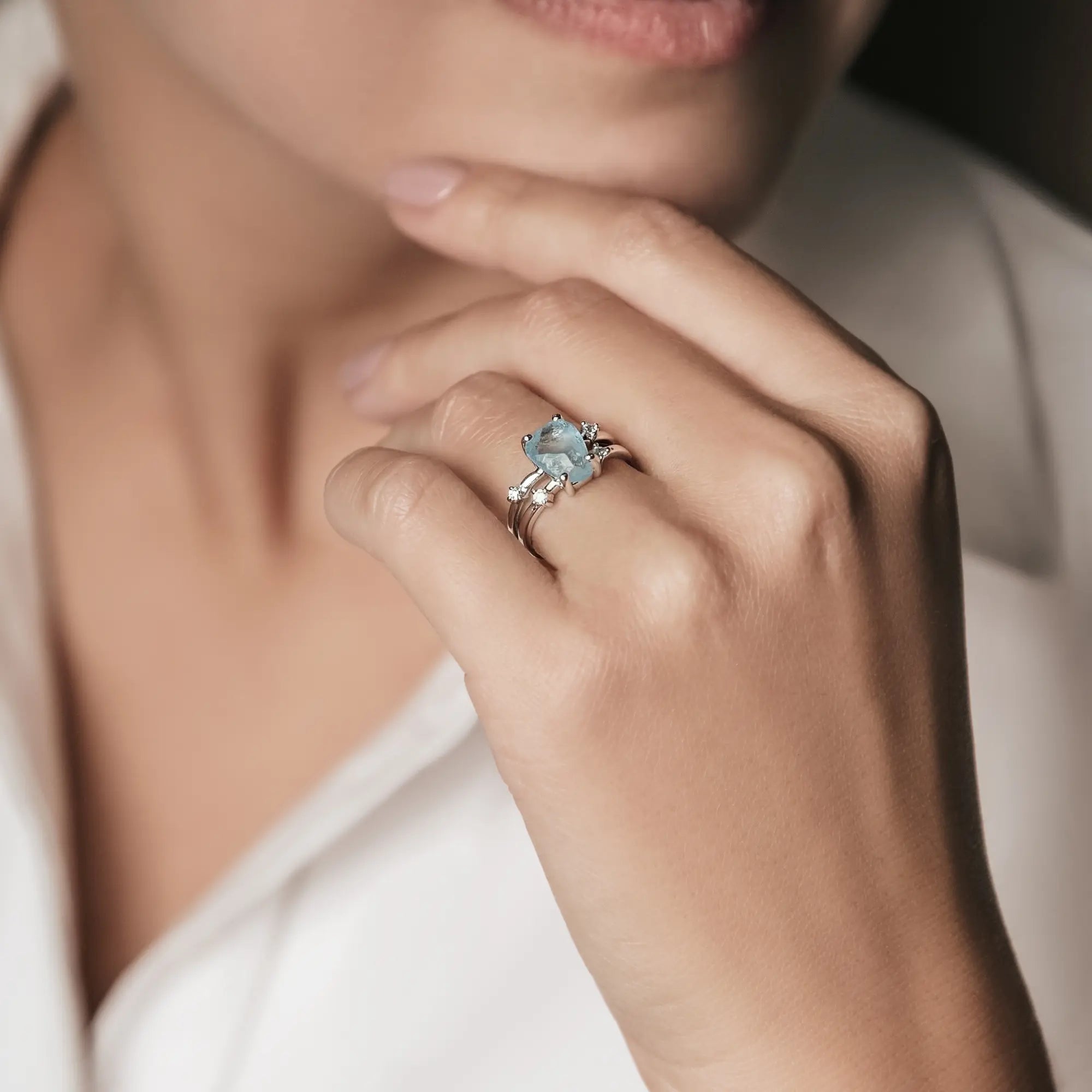
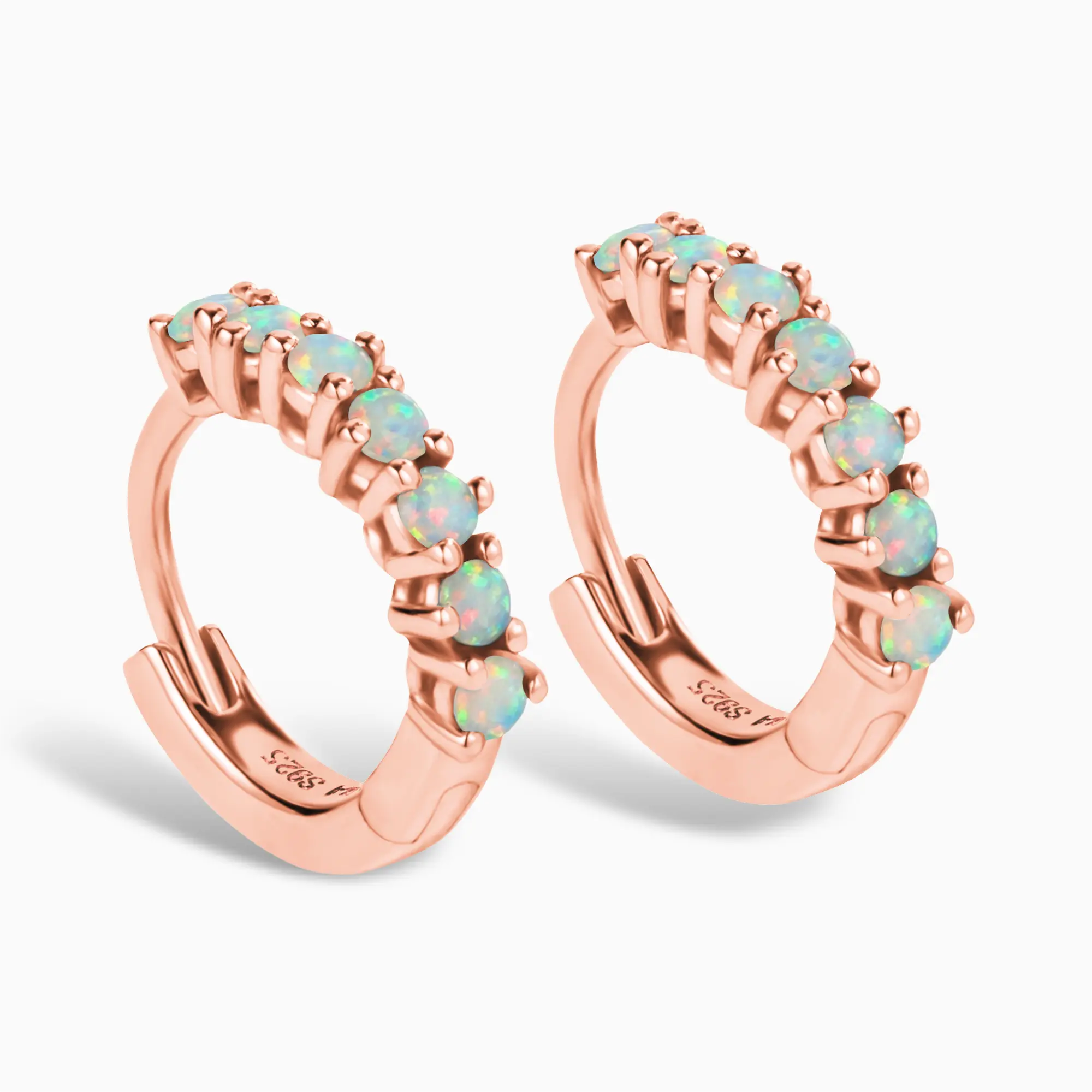



Opal is a unique, mesmerizing gemstone best known for its shifting colors. Unlike other gemstones that only provide one color or sparkle, opal is like a natural kaleidoscope that allows you to see changing colors and patterns as you turn it. At one angle, you might see a fiery orange color, and at another angle, you might see a neon green or cosmic blue color.
Opal is composed of numerous silica-based spheres. When light hits the gemstone and spreads throughout the spheres, it can exhibit any color tone that you would find in the rainbow, such as red, blue, green, yellow, orange, or purple. That is the scientific explanation for why opal displays such diverse colors.
However, many civilizations throughout history have had their own interpretations of the hidden meaning behind the opal’s aesthetics. The true question is, what does opal symbolize? Why does it still matter to so many people today in our modern age? Is it just something beautiful and impressive to look at, or does it hold some other special meaning?
Here, we will review the true symbolism and meaning of opal throughout history until modern times.
The Meaning of Opal
The core symbolism of opal is positivity, inspiration, and creativity. Since it can display every color across the visible spectrum of colors, opal has been historically seen as a gemstone of all possibilities. People have always been able to form an emotional connection with opal based on how it makes them feel when they look at it. This emotional connection promotes individuality and self-expression.
For instance, no two opal pieces will display the same colors. Each piece is unique in offering a display of colors that no other piece can duplicate exactly. Because of this, each person who wears an opal can feel like it is a piece specifically designed for them. They can feel like it represents them as an individual and allows them to express their individual selves because of its uniqueness.
For this reason, the opal feels personal rather than fixed to an individual. That is why it is easy to develop an emotional connection with it. All the unique colors and hues symbolize the unique moods, thoughts, and feelings of the individual. The more they wear the opal, the stronger that emotional connection grows.
The Historical Symbolism of Opal
Historical cultures and civilizations have held different beliefs and interpretations regarding the meaning of the opal.
The Ancient Romans are a good example. Since the opal contains the colors of all other gems, the Romans considered opal to be a precious stone and a symbol of love, purity, and hope. Anyone who wore the stone believed it would bring them good luck because it supposedly possessed the benefits of all other stones. Travelers even wore opal to protect them on their long, dangerous journeys into new lands and territories.
In the Middle Ages, medieval Europeans referred to opal as the eye stone. The people who wore the opal believed it would give them better eyesight and even make them invisible to their enemies. Many royal figures, such as kings and queens, had opal incorporated into their crowns and scepters to bring them good luck and connect them to the divine heavens above.
As you can see, the symbolism and cultural perspectives of opal have evolved. Some cultures believed opal was a symbol of love and hope, while others believed it offered physical protection. The reality is that these perspectives are based on the emotional connections that civilizations have had with opal. These connections often stem from the belief systems and circumstances of the era in which those civilizations existed.
Opal’s Symbolism in Modern Life
Today, the opal has more of a personal meaning to modern people. It is a symbol of emotional depth and authenticity, a representation of something real and pure. Since we live in an age where people often hide themselves behind computer screens and keyboards, there is a big demand to find something that represents reality.
Opal perfectly aligns with modern values like self-expression and individuality. It is a stone of positivity that reflects the personal changes people go through over time, encouraging a more open and optimistic outlook. For example, opal slowly forms and evolves over millions of years through the interaction of silica and water. In much the same way, personal growth often unfolds gradually, shaped by small shifts over time. thousands of years they have existed.
Modern humans can look upon opal to help understand their own life’s phases, transitioning from old habits and lifestyle choices to growing and developing new habits and making new choices. People strive to possess the same authenticity and individuality as seen in each piece of opal. It encourages them to want to wear opal to embrace who they are now and the person they will transition into in the future.
Opal in Contemporary Jewelry
Opal jewelry pieces have been around for thousands of years. The symbolism of opal has significantly impacted how jewelry designers create their jewelry pieces. And since the symbolism and cultural perspectives of opal have changed over those thousands of years, so has the approach to designing opal jewelry pieces.
For example, during the Victorian era, opal jewelry pieces often featured large diamonds to showcase the value and beauty of the opal. In modern times, contemporary opal jewelry pieces have more of a minimalistic design, where the opal is the primary stone of the piece. The opal’s value comes from what it represents. It doesn’t need to accompany other stones to increase its value.
Modern people see opal jewelry as a quiet form of expression and part of an everyday style that tells each person’s individual story. That is why jewelry designers are not looking to create valuable opal pieces that exemplify wealth, but rather those that exemplify a personal narrative for each individual.
Conclusion
Opal is more than a typical gemstone. It is a symbolic and expressive stone with a balance of history, meaning, and modern appeal. Many civilizations have drawn different meanings from opal over the last thousands of years, such as love, hope, power, and wealth.
Today, opal is a symbol of individuality, self-expression, and authenticity. Each contemporary opal piece holds a different meaning for each individual based on its unique display of colors across the spectrum. It is a perfect representation of that person’s unique experiences and the transitional periods they have throughout their life.
As you look for your next opal jewelry piece, look for those that feel personally meaningful to you.


